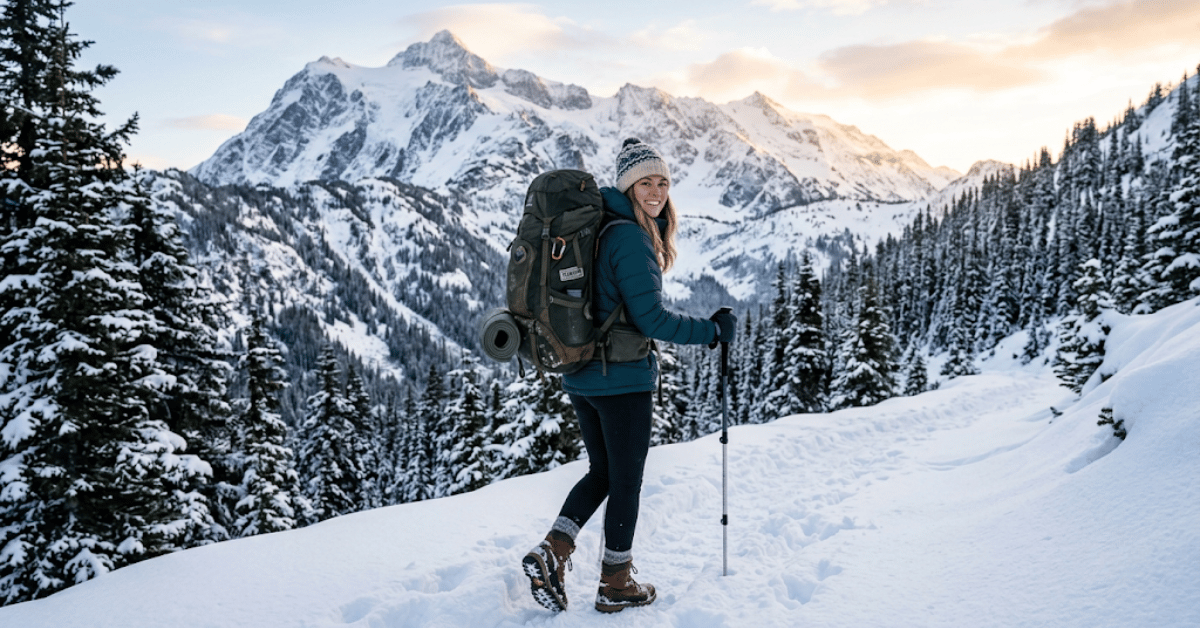
Winter is a wonderful time to explore new destinations, enjoy snowy landscapes, and experience peaceful mountain towns. However, travelling during colder months requires careful preparation, the right equipment, and smart packing. Whether you are planning a mountain adventure, a weekend getaway, or a multi-day journey through winter destinations, following practical Winter Backpacking Tips can make your trip safer, more comfortable, and enjoyable.
From choosing the right backpack to selecting warm clothing and essential travel accessories, understanding how to prepare for cold-weather conditions can help you travel confidently. This guide covers everything you need to know before starting your next winter backpacking adventure.
1. Choose the Right Backpack for Winter Travel
Selecting a suitable backpack is one of the most important steps when preparing for a winter trip. Cold-weather clothing, insulated jackets, gloves, and additional accessories can take up considerable space, so your backpack should offer enough capacity without becoming unnecessarily heavy.
For a short winter getaway, a backpack with a capacity of around 30–40 litres may be sufficient. Multi-day trips involving camping or trekking may require a 50–70-litre backpack, depending on your equipment and accommodation arrangements.
Look for the following features when choosing your backpack:
Water-resistant material: Helps protect your belongings from light snow and moisture.
Comfortable shoulder straps: Reduce pressure during long walks.
Adjustable hip belt: Distributes weight more evenly across your body.
Multiple compartments: Keep clothing, electronics, and accessories organised.
Rain cover: Provides additional protection during wet or snowy conditions.
A well-fitted backpack makes travelling easier and helps you carry winter essentials without unnecessary discomfort.
2. Pack Clothing in Multiple Layers
One of the most effective Winter Backpacking Tips is to dress in layers rather than relying on a single thick jacket. Layering allows you to adjust your clothing according to temperature, activity level, and weather conditions.
A practical layering system includes three main components.
Base layer: Choose moisture-wicking thermal tops and bottoms that help keep sweat away from your skin. Merino wool and suitable synthetic fabrics are popular options.
Insulating layer: Fleece jackets, wool sweaters, or insulated mid-layers help retain body heat. Select the thickness according to the expected temperatures.
Outer layer: A windproof and waterproof shell protects you from cold winds, rain, and snow.
Carry extra socks, gloves, and thermal clothing when travelling to destinations with unpredictable weather. Avoid cotton as your main base layer during demanding outdoor activities because it retains moisture and dries slowly.
3. Prepare a Winter Backpacking Packing List
A detailed packing list helps prevent you from forgetting essential items while keeping your backpack organised. Before leaving, consider your destination, trip duration, planned activities, and access to shops or accommodation.
Here are the main categories to include in your winter packing list:
Clothing
Thermal tops and bottoms
Insulated jacket
Waterproof outer shell
Warm trousers
Wool or synthetic socks
Gloves and a warm hat
Neck warmer or scarf
Comfortable walking clothes
Footwear
Insulated hiking boots or weather-appropriate walking shoes
Moisture-wicking socks
Spare footwear for indoor use
Gaiters for snowy trails, if required
Travel essentials
Phone and charging cable
Power bank
Identification and travel documents
Reusable water bottle
Headlamp or torch
Personal toiletries
Basic first-aid kit
Pack only what you genuinely need. A lighter backpack can make long walks and changes between transport options much easier.
4. Select Suitable Footwear for Cold Weather
Footwear can significantly influence your comfort during a winter backpacking trip. Wet feet, slippery paths, and inadequate insulation can make outdoor activities unpleasant.
For snowy or muddy destinations, choose footwear with reliable traction and appropriate water resistance. If you plan to hike on icy trails, specialised traction devices may be necessary. Regular walking shoes may work well in mild winter conditions, but they are not always suitable for deep snow or freezing temperatures.
Consider these points when selecting winter footwear:
Choose a comfortable fit that accommodates your intended socks.
Look for soles designed to provide grip on the terrain you expect.
Carry spare socks to replace damp pairs.
Allow footwear to dry properly between activities.
Use gaiters when snow or mud could enter your boots.
Test your footwear before the trip to avoid discomfort and blisters during long walks.
5. Protect Electronics and Important Documents
Cold temperatures can reduce battery performance, particularly in smartphones, cameras, and power banks. Proper storage can help protect your electronics and ensure they remain useful throughout your journey.
Keep your phone and camera in an insulated pocket when they are not being used. Carry a power bank and charging cable, and consider storing important documents in a waterproof pouch.
For extra protection, remember to:
Download offline maps before travelling.
Save accommodation details and transport tickets.
Keep digital copies of essential documents.
Use waterproof bags for sensitive electronics.
Carry a torch instead of relying entirely on your phone's flashlight.
These precautions are especially useful when visiting remote locations where charging facilities and mobile connectivity may be limited.
6. Stay Hydrated and Carry Suitable Food
Cold weather can reduce the sensation of thirst, but your body still needs sufficient fluids. Walking, trekking, and other outdoor activities can increase your hydration needs, even when temperatures are low.
Carry a reusable water bottle and drink regularly throughout the day. In freezing conditions, an insulated bottle can help prevent water from becoming too cold or freezing.
For longer journeys, pack convenient snacks that provide energy without requiring complicated preparation. Nuts, dried fruit, energy bars, and other lightweight foods are useful options.
If you are camping, plan meals according to the equipment available and the expected weather. Keep food properly stored and follow local wildlife-safety guidance. For overnight winter trips, ensure you have a safe way to prepare food and enough drinking water for the entire journey.
7. Plan Your Route and Check the Weather
Careful planning is essential when travelling during winter. Weather conditions can change quickly, particularly in mountainous areas, where snow, strong winds, and poor visibility may affect transport and outdoor activities.
Check reliable weather forecasts before departure and continue monitoring conditions during your trip. Research local transport schedules, trail closures, daylight hours, and any seasonal restrictions.
Follow these planning recommendations:
Share your itinerary with someone you trust.
Keep emergency contact information accessible.
Identify indoor shelters and alternative routes.
Start outdoor activities early enough to account for shorter daylight hours.
Check local travel advisories before visiting remote areas.
Avoid exposed routes when severe weather is forecast.
Do not continue a hike simply because it is part of your original plan. Turning back when conditions deteriorate is often the safest decision.
8. Choose the Right Sleeping Equipment for Overnight Trips
If your winter backpacking adventure includes camping, suitable sleeping equipment becomes essential. A sleeping bag should be selected according to the expected overnight temperature, using its comfort rating rather than relying only on its advertised lower-limit rating.
A properly insulated sleeping pad is equally important because the ground can draw heat away from your body. Use a tent designed for the expected weather and ensure that it can be secured safely.
Before travelling, check that your sleeping bag, pad, and shelter work together for the conditions you expect. Keep dry sleeping clothes separate from damp outdoor clothing.
For beginners, staying at established campsites or choosing accommodation-based backpacking trips can be a more manageable introduction to winter travel.
9. Take Care of Your Skin and Personal Comfort
Cold air, wind, and indoor heating can leave your skin feeling dry. Basic personal-care products can make a noticeable difference during a winter journey.
Pack moisturiser, lip balm, sunscreen, and any personal toiletries you regularly use. Sunscreen remains important in winter because ultraviolet radiation can still affect your skin, especially at higher elevations and around reflective snow.
Wear sunglasses when appropriate, and protect exposed skin during strong winds. If you are travelling to extremely cold destinations, learn to recognise signs of frostbite and hypothermia and seek appropriate help if symptoms develop.
Avoid relying on alcohol to keep warm. It can impair judgement and increase heat loss, creating additional risks in cold conditions.
10. Keep Your Backpack Organised
An organised backpack saves time and makes it easier to find important items when temperatures drop.
Place heavier items close to your back and towards the centre of the pack to improve balance. Keep frequently used belongings, such as gloves, snacks, maps, and rain protection, in easily accessible pockets.
Use separate packing cubes or waterproof bags for clean clothes, dirty laundry, toiletries, and electronics. Keep emergency supplies accessible rather than burying them beneath everything else.
Before departure, weigh your fully packed backpack and remove unnecessary items. The ideal load depends on your fitness, body size, trip duration, and terrain, so prioritise comfort and safe weight distribution.
Conclusion
A successful winter trip begins with preparation, sensible packing, and an understanding of the conditions you may encounter. Choosing suitable footwear, dressing in layers, protecting electronics, carrying enough food and water, and checking the weather can help make cold-weather adventures more comfortable.
These Winter Backpacking Tips provide a practical starting point for beginners and experienced travellers alike. Adjust your equipment and packing list to match your destination, planned activities, and expected temperatures. With the right preparation, you can enjoy winter landscapes, explore new places, and make memorable travel experiences while keeping comfort and safety a priority.